Protect and Enhance Your Deck: Expert Deck Staining Services You Can Trust
When it relates to maintaining a deck, professional staining services provide a dependable solution. These specialists comprehend the intricacies of various wood types and local climates, ensuring optimal protection and visual appeal. By selecting skilled professionals, homeowners helpful resource can circumvent typical mistakes and preserve precious time. However, selecting the right service can be daunting. Recognizing what to identify is vital to achieving lasting results. The path to a beautifully stained deck starts here.
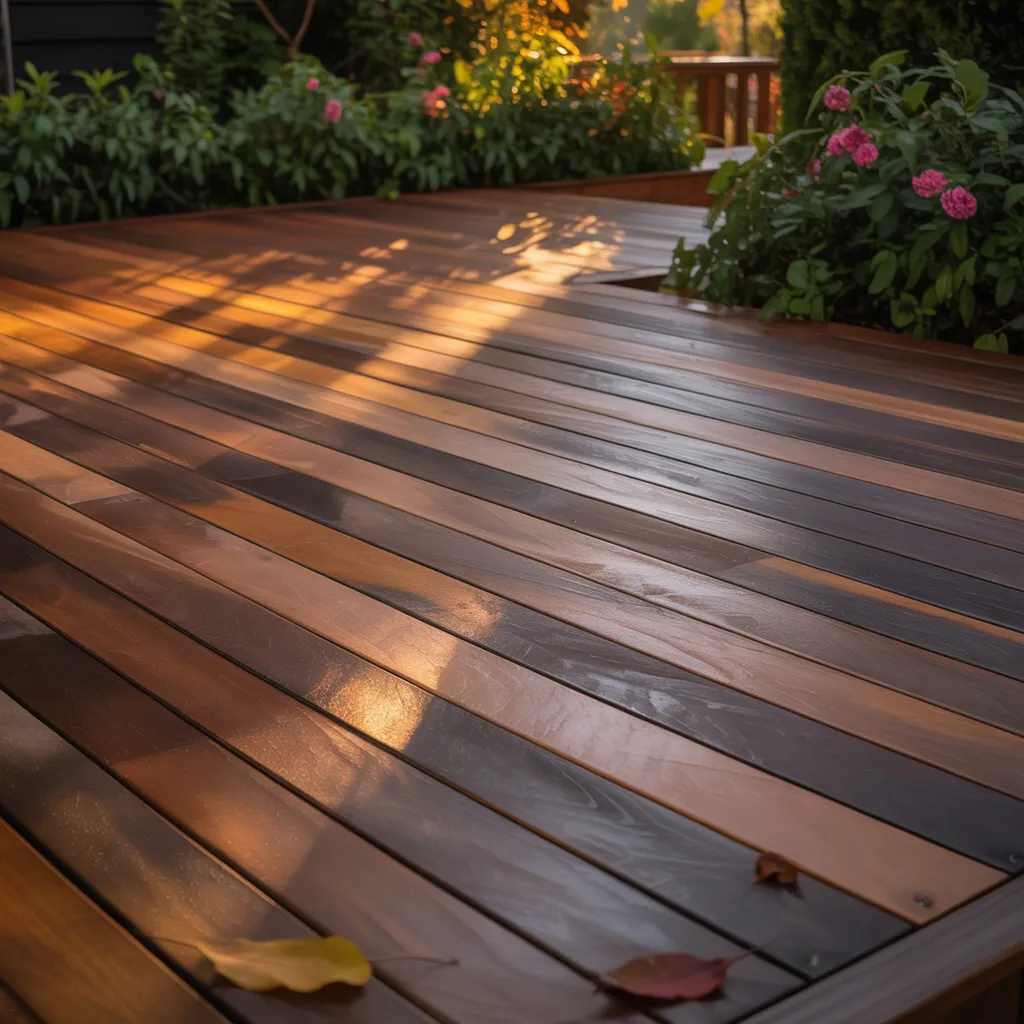
Why You Should Hire Professionals for Deck Staining
When considering deck staining, homeowners often overlook the benefits of hiring professionals. Engaging professionals guarantees a higher quality finish, as they possess the adequate skills and experience to handle different wood types and conditions. Professionals understand the intricacies of selecting the right stain, taking into account factors like wood porosity and local climate. Furthermore, they have access to professional tools and equipment that make the process more effective and successful.
Additionally, experts can save homeowners valuable hours, enabling them to focus on other important tasks. They are also well-versed about safety protocols, minimizing the risk of incidents during the staining application. By employing experts, homeowners can achieve enduring outcomes that improve their deck's look and longevity. Ultimately, the investment in expert assistance can lead to a beautifully stained deck that not only appears attractive but also provides protection against the elements for many years ahead.
Skip These Frequent Deck Staining Issues Before You Commence
Many property owners make important mistakes with deck staining that lead to unsatisfactory results. One frequent error is failing to prepare the surface properly. Insufficient cleaning traps dirt and debris, blocking the stain from adhering well. Choosing the wrong stain type is another error; applying an oil-based stain where a water-based one is needed causes peeling and unevenness. Additionally, staining in direct sunlight is not advised, as it results in the stain drying too quickly and creating blotches. Many people overlook the need to apply multiple thin coats rather than one thick coat, which can weaken the durability. Lastly, not allowing proper drying time between coats compromises the finish’s integrity. Avoiding these mistakes helps homeowners achieve a more successful and durable deck staining project.
What to Anticipate From Deck Staining
When considering deck staining, individuals can expect a comprehensive preparation process that encompasses surface cleaning to assure optimal results. Following this, the staining process involves applying the chosen product evenly for a lasting finish. Understanding these steps can help establish realistic expectations for the project.
Preparation and Surface Cleaning
concluding review is performed to confirm that the surface is ready for staining, setting the stage for a successful application that enhances the deck's appearance and protection.
The Coloring Process Summary|Staining Method Breakdown|An Introduction to the Pigmentation Application|Tinting Process Fundamentals|Understanding the Staining Process
The wooden deck coloring procedure moves through several well-defined steps that guarantee a smooth and effective application. Initially, the professional team inspects the deck for any flaws or areas that need fixing.|Initially, the expert team inspects the deck for any damage or areas in need of repair.|At first, the professional team inspects the deck for any damage or areas that need fixing.|At the start, the professional team inspects the deck for any problems or areas needing repair. Once the surface is confirmed to be clean and dry, they choose a high-quality stain fitting for the wood type and preferred finish. The application starts with edging, followed by using a roller or spraying the stain evenly across the deck boards.|Applying the stain starts with edging, followed by rolling or spraying the stain evenly over the deck boards.|Applying begins with edging, then rolling or spraying the stain evenly across the deck boards.|Applying the stain starts with edging, followed by using a roller or spraying the stain evenly over the deck boards. They carefully avoid puddling to guarantee consistent coverage. Once the first layer dries, an additional coat may be added for extra protection and richer color. Finally, the team provides guidance on drying times and maintenance, making sure the deck remains beautiful and well-protected for years to come.
Strategies for Deciding on the Most Suitable Deck Staining Service for Your Property
Picking the most suitable decking stain company can seem overwhelming, especially when so many options available. To choose wisely, homeowners should start by researching area businesses and reviewing customer testimonials. A reputable service will have a portfolio displaying their past projects, helping prospective customers to gauge quality and aesthetics.
Next, it's crucial to ask regarding the varieties of finishes and sealants used, as well as the application techniques employed. This guarantees that the picked provider aligns with the homeowner's preferences for longevity and looks. Additionally, securing several quotations can offer perspective on pricing and value.
Finally, take into account the company's track record and whether they provide warranties for their work. Selecting a service with a strong track record and clear communication will ultimately lead to a more satisfying deck staining experience. By following these steps, homeowners can confidently choose a service that meets their needs and enhances their outdoor space.
The Merits of Employing High-Quality Stains and Sealants
Choosing to invest in premium stains and sealants can significantly boost the longevity and appearance of a deck. These high-quality products offer essential protection against water, UV rays, and temperature variations, which can lead to wood twisting and decay over time. By forming a sturdy barrier, premium stains and sealants help to prevent mold and mildew growth, ensuring a cleaner surface that is easier to maintain.
Moreover, premium stains often contain pigmentation that elevate the wood's natural beauty, brightening colors and emphasizing visible grain. This not only improves the overall appearance but also boosts value to the property. Superior-grade products typically offer better adherence and longer-lasting results, reducing the number of refinishing cycles. Ultimately, picking these superior materials can facilitate significant long-term savings in maintenance costs while preserving the deck's structural integrity and aesthetic charm. Going with premium choices is a prudent choice for any homeowner looking to protect their outdoor space.
How Frequently Should You Re-Stain Your Deck?
How often should homeowners plan to re-stain their decks? Usually, it is suggested to re-stain a deck every two to three years, although several factors can impact this timing. The type of wood, climate conditions, and stain quality all have crucial roles in deciding the necessary frequency. In locations with harsh weather, like intense sunlight or heavy rain, more frequent re-staining may be required to protect the wood from damage. Homeowners should also be attentive to signs of wear, such as discoloration or water absorption, which signal that the protective layer has lessened. Regular maintenance inspections can help in monitoring these conditions, ensuring that the deck remains in prime shape. Ultimately, staying proactive about re-staining can prolong the deck’s lifespan and preserve its aesthetic appeal, making it a sensible investment for homeowners.
Recommendations for Maintaining Your Newly Stained Deck Looking Great
To ensure a newly stained deck keeps its visual appeal and durability, homeowners should establish a few essential care habits. Routine maintenance is essential; using a broom or leaf blower to remove debris avoids mold and mildew buildup. A mild cleaning with soapy water can erase dirt without affecting the stain.
Homeowners should also avoid using strong chemical cleaners, as these can damage the surface coating. Instead, opting for a neutral pH cleanser will maintain the stained surface.
Moreover, placing mats at entry points decreases dirt and moisture tracked onto the deck. This basic step can substantially lengthen the life of the stain.
In conclusion, frequent assessments for signs of wear or fading facilitate timely touch-ups, confirming the deck persists as radiant and adequately protected. By following these guidelines, homeowners can delight in a remarkable and sturdy deck for a long time.
Frequently Posed Questions
How Much Time Does It Usually Take to Complete Deck Staining?
Deck staining generally needs one to two days to finish, relying on the deck's dimensions and climatic factors. Meticulous preparation and drying time are indispensable for reaching superior outcomes and coating longevity.
May I Apply Stain My Deck After It Rains?
Applying stain to a deck right after rain should be avoided. Surfaces must be completely dry to ensure sufficient bonding and penetration of the stain, normally requiring a waiting period of 24 to 48 hours after rain.
What Preparation Steps Are Required Before Coating My Deck?
Prior to staining a deck, one must clean it thoroughly, making sure all dirt and debris are eliminated. Let the surface completely dry and inspect for loose boards or damage that may need repair.
Can you find green coloring options available?
Yes, numerous green coloring solutions are available, featuring water-based stains and those made from natural oils. These products minimize harmful chemicals, rendering them more protective of the environment while efficiently preserving and beautifying the deck appearance.
Does Treating Your Deck Block Mold and Fungal Issues?
Using stain on a deck can greatly lower the threat of mold and mildew by building a defensive barrier against water infiltration. This barrier aids in keeping the wood dry, inhibiting the growth of unwanted fungi and ensuring longevity.